

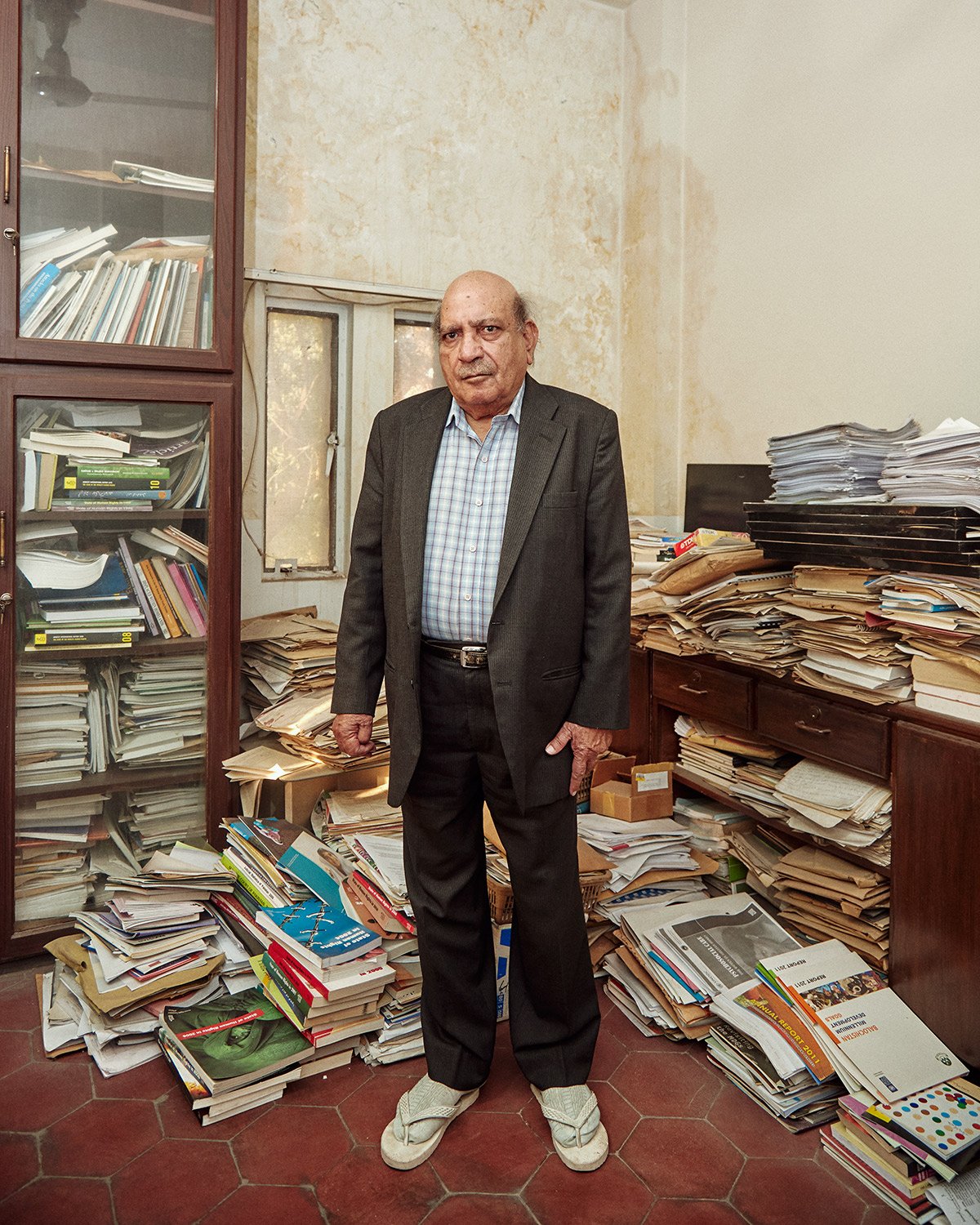
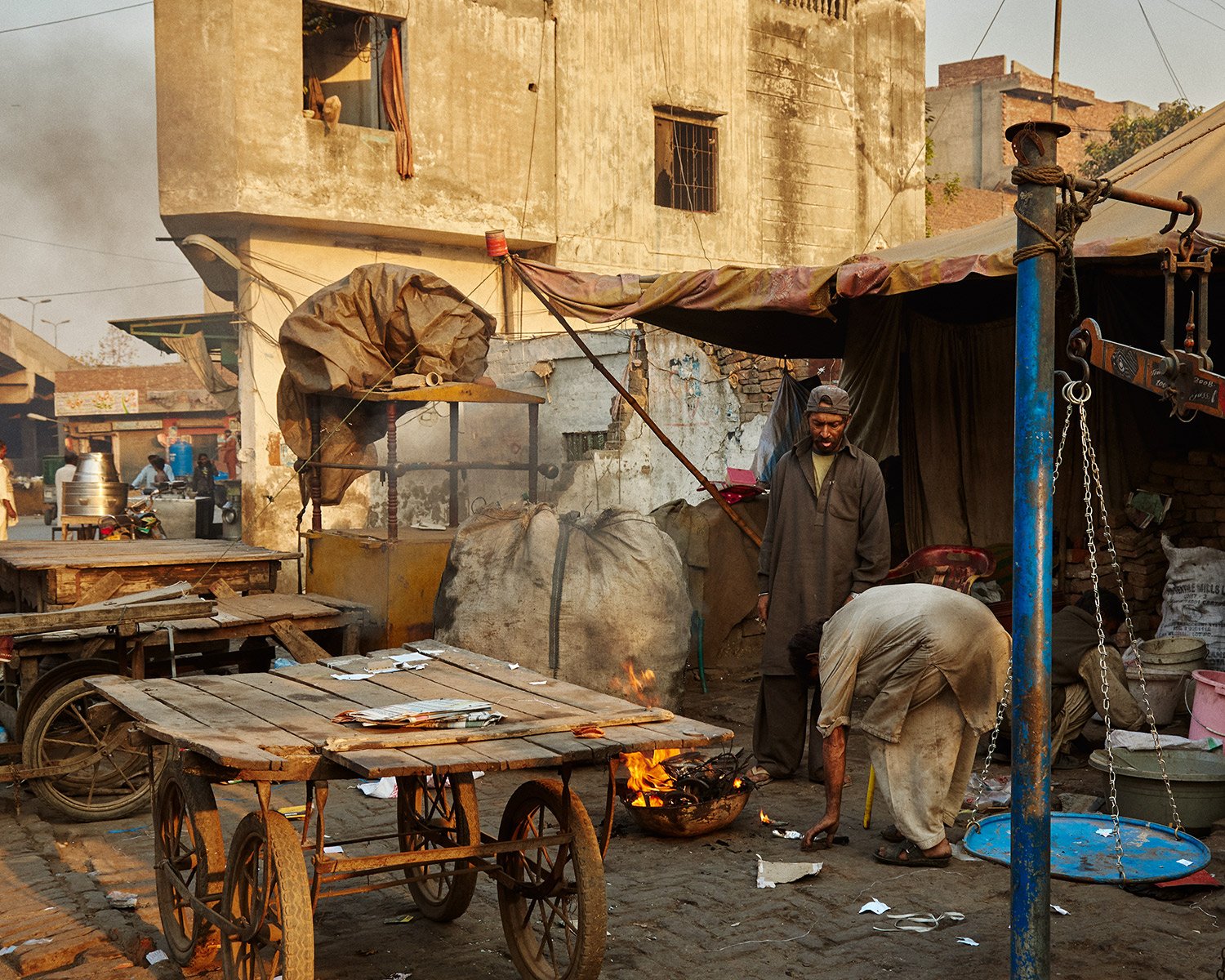
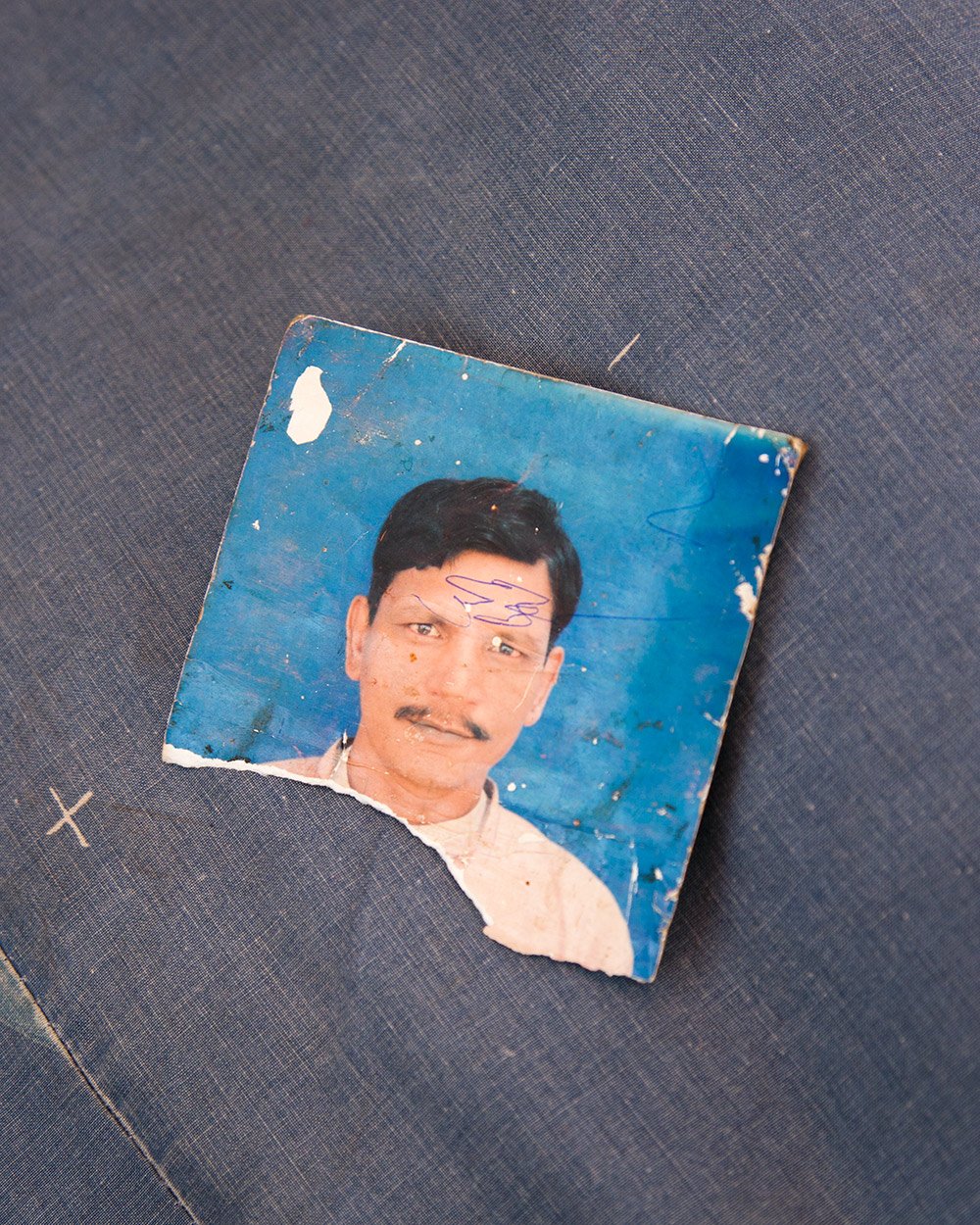
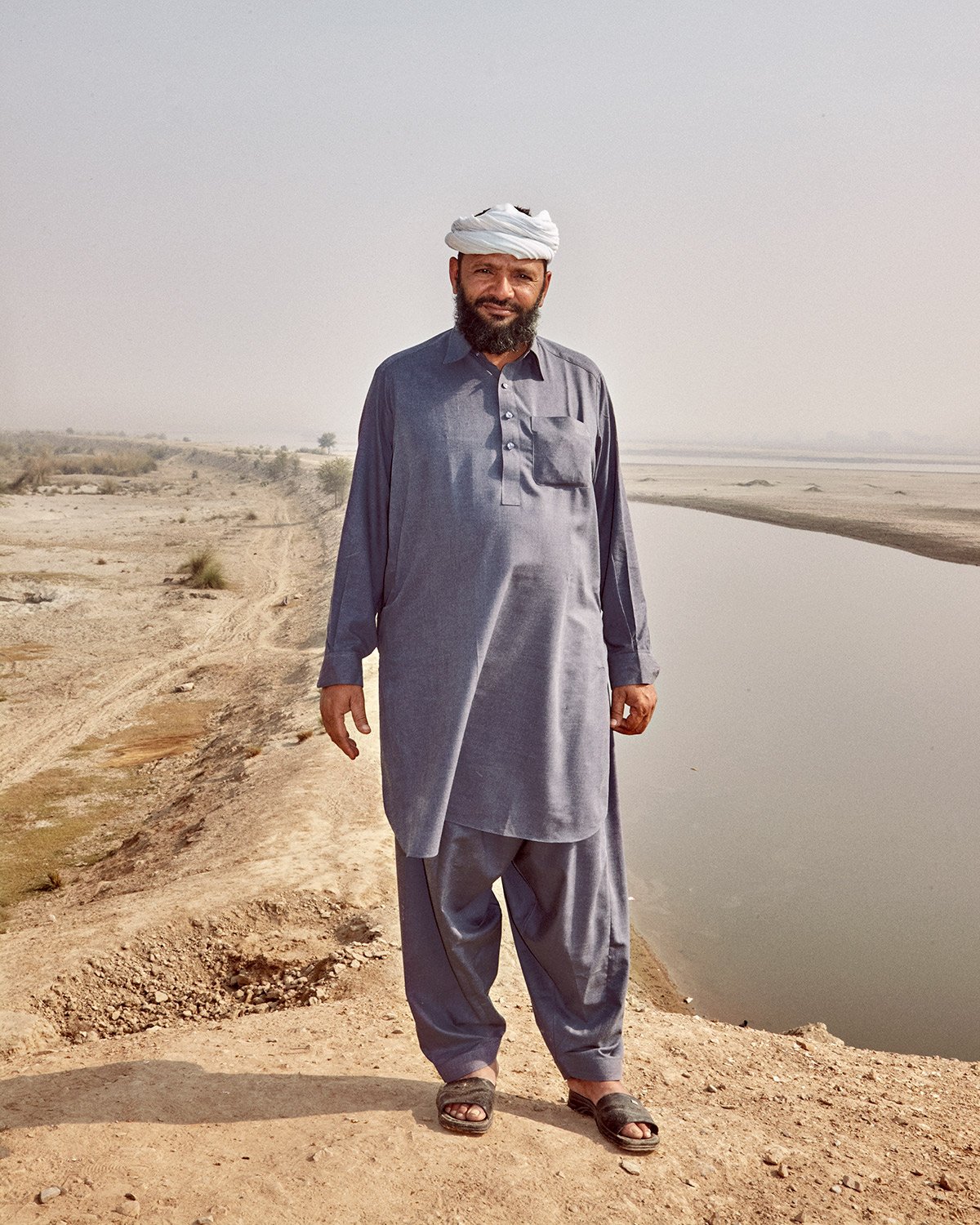
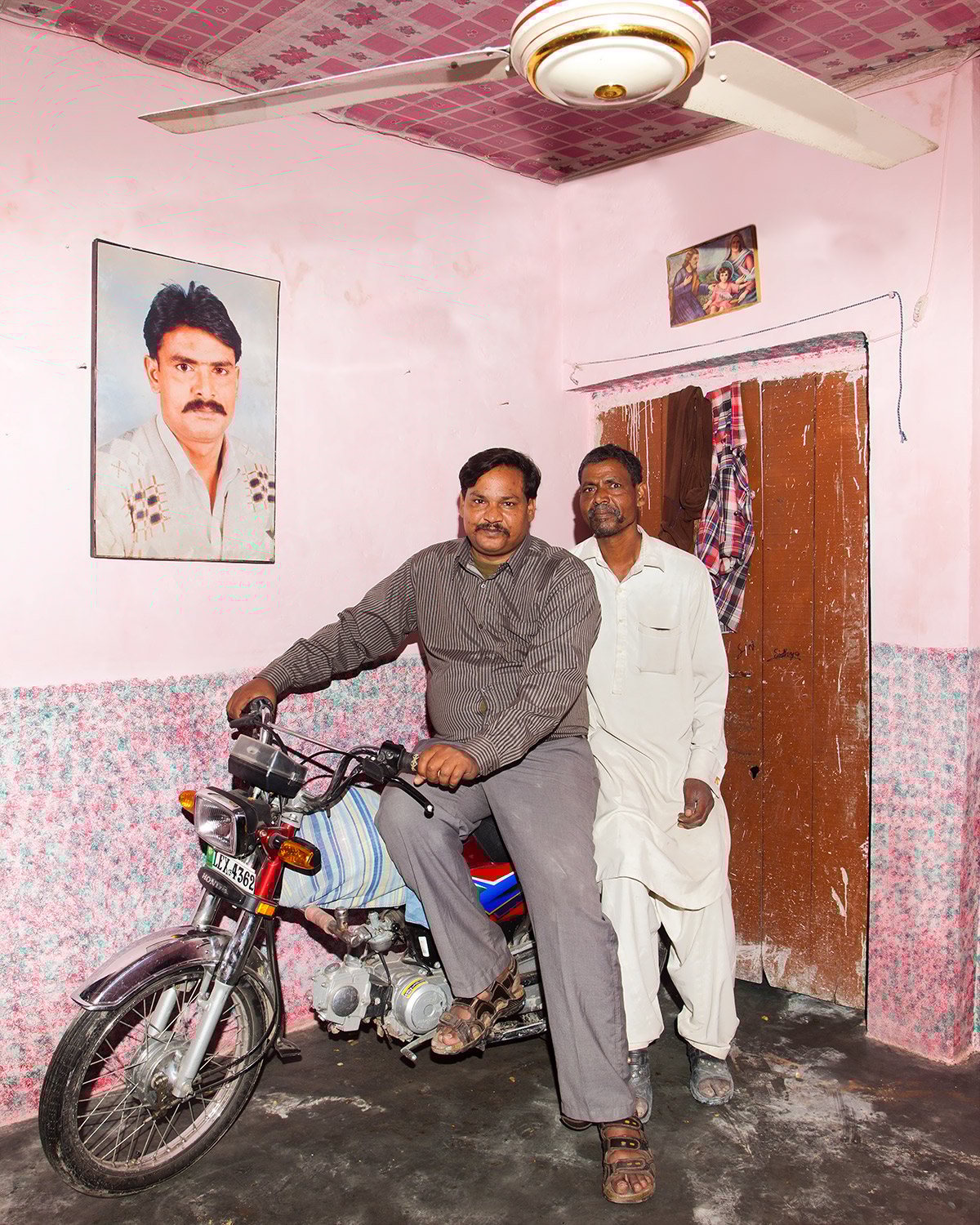
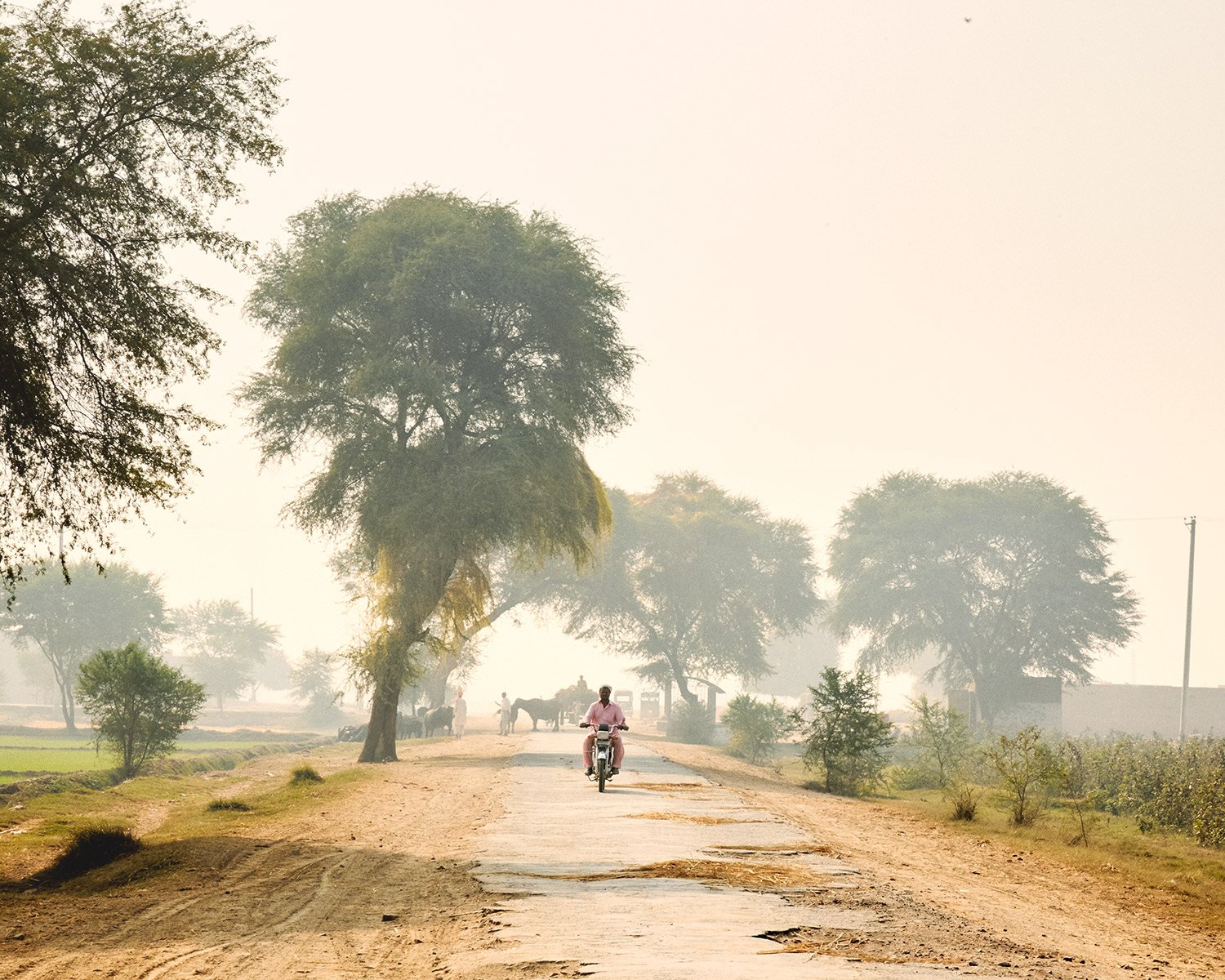
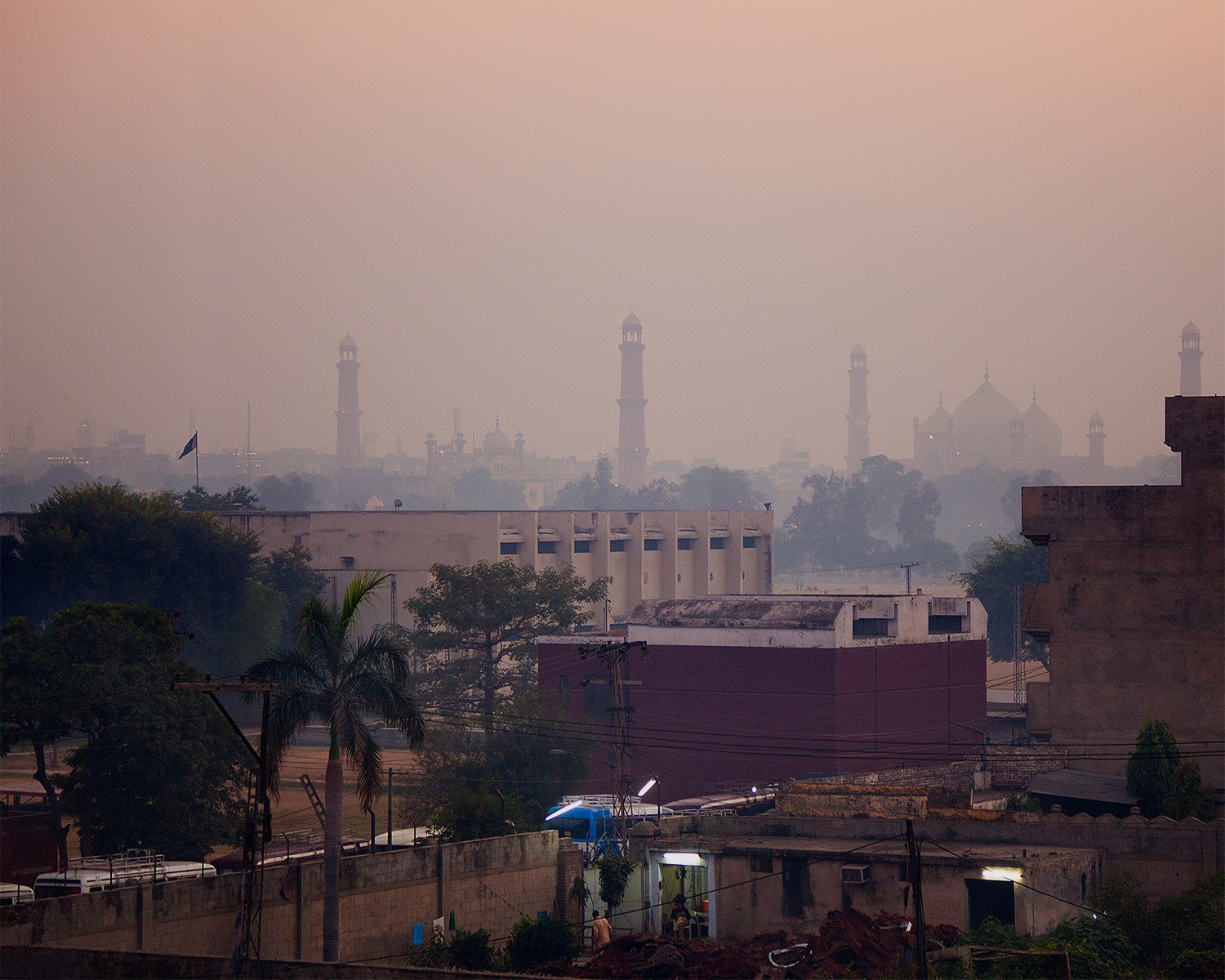
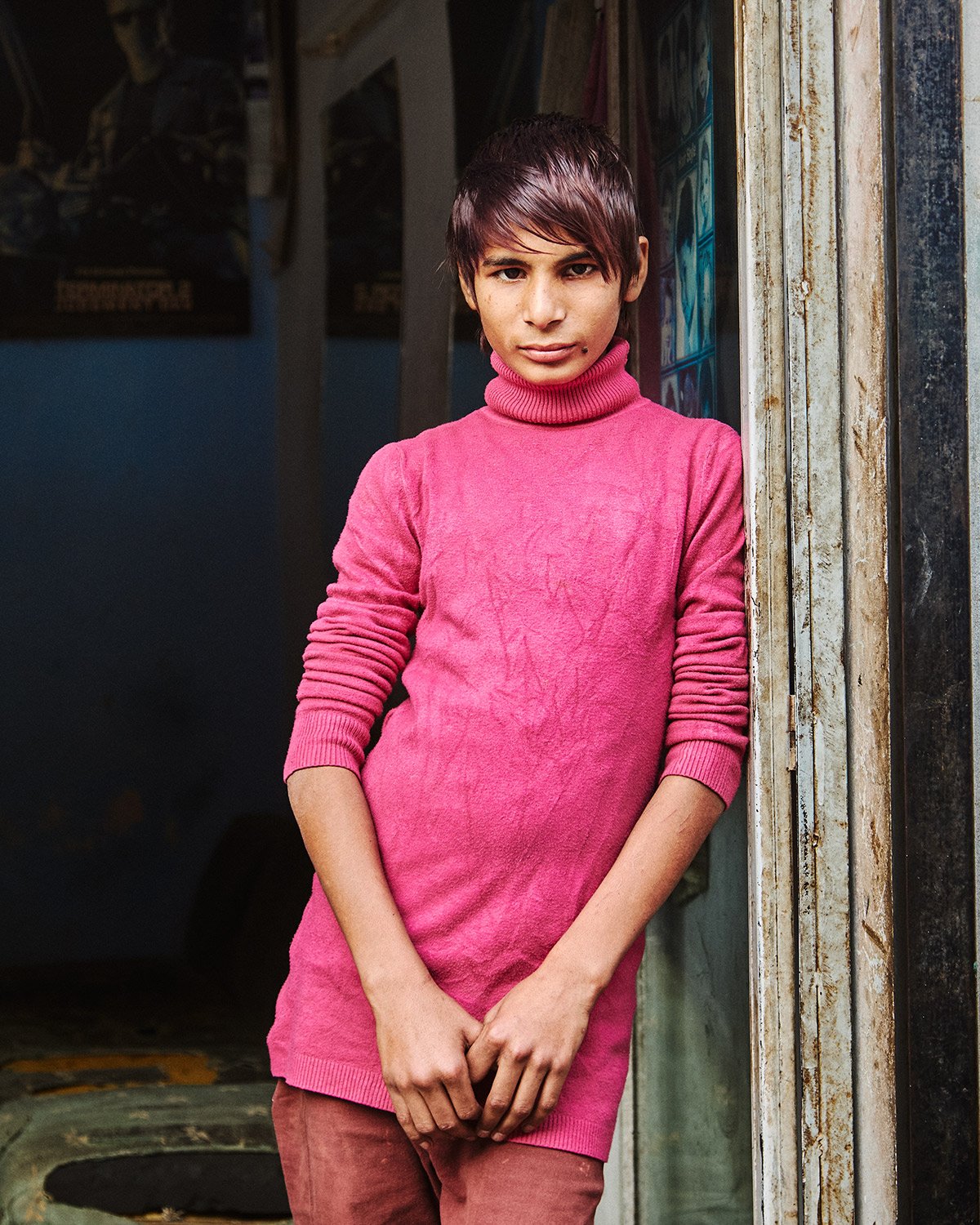
Pakistan has one of the largest populations in the world facing execution, with more than 8,000 prisoners on death row. Even though Pakistan’s capital punishment figures are astounding, every year some people avoid execution by appealing to the Diyat Ordinance. Diyat, blood money in English, is the financial compensation the culprit’s family pays to the heirs of the victim in order to gain their pardon. The Diyat Ordinance can be used only for cases of murder, manslaughter, and bodily harm. Pardoning, with or without blood money, is the only way out from the gallows.
The detractors of the law argue that it implies privatization of justice since the agreement is reached between two private parties, with the help of a private negotiator. To live or to die, according to Diyat no longer hinges on the norms of justice but rather on the persuasive powers of the culprit’s relatives and negotiators. Another reason why some people oppose the law is the fact that whether guilty or not, the offender gets acquitted and immediately freed in exchange for a certain amount of money. The critics also note that it exacerbates social discrimination, as poorer defendants might not be able to gather sufficient funds for the compensation. In most cases, the wealthy will escape the gallows while the poor won ́t.
The supporters of the law, argue that Pakistan is an Islamic Republic and therefore, it must follow the words of the Holy Koran as well as what is stated by Sharia. They note that despite the moral dilemmas raised by the law, its existence gives a second opportunity to prisoners and stops the cycle of revenge. They add that whether the victim’s family accepts the money or they waive it and pardon for the sake of God, a necessary process of forgiveness must take place.
This series was published in The Independent On Saturday in the UK.